Author name: fidham1998@gmail.com

digital growth with Cubicster agency
Uncategorized

THE FUTURE OF DIGITAL MARKETING

The future of digital marketing is driven by advanced technologies, changing consumer behavior, and data-driven strategies. Businesses are focusing more on personalization, automation, and interactive content to connect with their audience. With the rise of artificial intelligence, voice search, and social media trends, digital marketing is becoming smarter, faster, and more customer-focused, making it essential for businesses to adapt and stay competitive. Introduction to the Future of Digital Marketing:Digital marketing is constantly evolving with technology.Businesses must adapt to stay competitive.Customer expectations are increasing.Data plays a major role in decision-making.Innovation is key to success. Role of Artificial Intelligence (AI):AI helps automate marketing tasks.Improves customer targeting and personalization.Chatbots provide instant customer support.Predicts customer behavior using data.Saves time and increases efficiency. Personalization & Customer Experience:Customers expect personalized content.Businesses use data to understand user behavior.Email and ads are tailored to individual preferences.Improves engagement and conversion rates.Builds strong customer relationships. Emerging Trends & Technologies:Voice search is becoming more popular.Video marketing is growing rapidly.Influencer marketing continues to rise.Mobile-first strategy is essential.Interactive content (polls, quizzes) increases engagement. Importance for Businesses:Helps reach a global audience.Increases brand awareness and visibility.Drives sales and business growth.Provides measurable results.Essential for long-term success in the digital world.
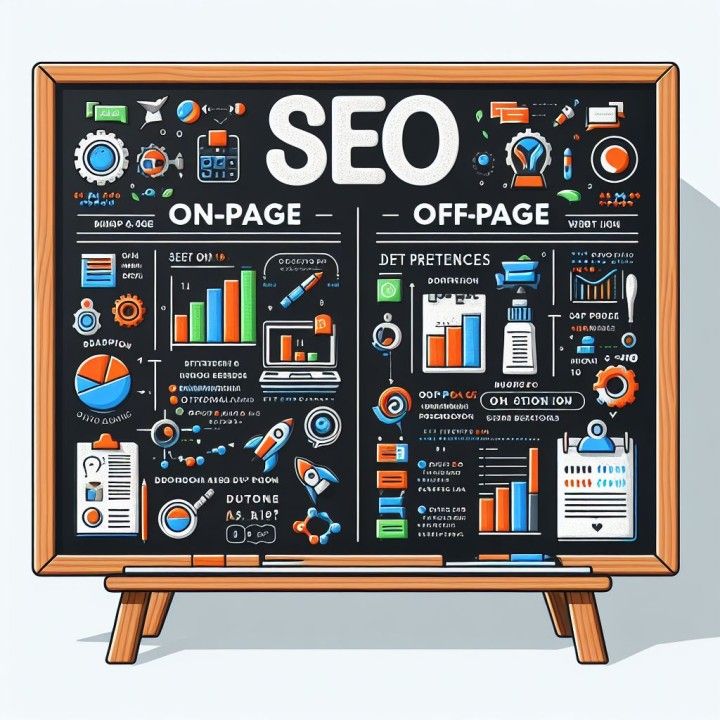
Decoding the Dynamics of On Page vs Off Page SEO 📊
Uncategorized

On-Page vs Off Page SEO:WHAT’S THE DIFFERENCE

On-Page SEO and Off-Page SEO are two important parts of search engine optimization that help improve a website’s visibility on search engines. On-Page SEO focuses on optimizing elements within the website, such as content, keywords, and structure, while Off-Page SEO involves external activities like backlinks and social media promotion. Both work together to improve search rankings, drive traffic, and build credibility online. Introduction to SEO Types:SEO is divided into On-Page and Off-Page SEO.Both are essential for better search engine rankings.They help improve website visibility and traffic.On-Page focuses on internal factors.Off-Page focuses on external factors. On-Page SEO:Optimizing content with relevant keywords.Using proper headings (H1, H2, H3).Writing quality and engaging content.Adding meta titles and descriptions.Optimizing images and URLs. Off-Page SEO:Building backlinks from other websites.Social media sharing and promotion.Guest blogging on other platforms.Influencer collaborations.Improving domain authority. Key Differences:On-Page SEO is done within the website.Off-Page SEO is done outside the website.On-Page focuses on content and structure.Off-Page focuses on authority and trust.Both are needed for better ranking. Importance of Both:Improves search engine rankings.Increases website traffic.Builds brand credibility.Enhances user experience.Essential for long-term digital growth.

Seo Company in Dwarka
Uncategorized

BASIC SEO TIPS FOR BIGINNERS

Search Engine Optimization (SEO) is the process of improving a website’s visibility on search engines like Google. For beginners, SEO focuses on simple techniques such as using the right keywords, creating quality content, and making websites user-friendly. By applying basic SEO strategies, websites can rank higher in search results, attract more visitors, and grow organically without paid advertising. Introduction to SEO:SEO stands for Search Engine Optimization.It helps websites appear in search engine results.Increases organic (free) traffic.Important for online visibility and growth.Beginner-friendly techniques can make a big difference. Keyword Research:Keywords are words people search on Google.Use relevant keywords related to your content.Focus on long-tail keywords for better results.Avoid keyword stuffing.Use tools like Google Keyword Planner. On-Page SEO Basics:Write high-quality and original content.Use keywords in titles, headings, and content.Add meta titles and descriptions.Use proper heading structure (H1, H2, H3).Optimize images with alt text. Technical & User Experience:Make your website mobile-friendly.Improve website loading speed.Ensure easy navigation.Use secure HTTPS websites.Fix broken links and errors. Off-Page SEO & Consistency:Build backlinks from trusted websites.Share content on social media.Engage with your audience.Update content regularly.Be consistent for long-term results.

Digital Marketing and Social Media Management
Uncategorized

TYPES OF DIGITAL MARKETING EXPLAINED

Digital marketing includes various methods used to promote products and services online. It allows businesses to connect with their target audience through different digital channels such as search engines, social media, email, and websites. Each type of digital marketing has its own purpose, whether it is increasing visibility, engaging customers, or driving sales. Understanding these types helps businesses choose the right strategies to grow effectively in today’s competitive digital world. Introduction to Digital Marketing:Digital marketing is the promotion of products/services using online platforms.It is faster and more cost-effective than traditional marketing.Helps businesses reach a global audience.Includes multiple strategies and techniques.Important for modern business growth. Search Engine Optimization (SEO):SEO improves website ranking on search engines like Google.Increases organic (free) traffic.Includes on-page and off-page SEO techniques.Focuses on keywords, content, and backlinks.Essential for long-term visibility. Social Media & Content Marketing:Social media marketing uses platforms like Instagram and Facebook.Helps engage and interact with audiences.Content marketing focuses on blogs, videos, and posts.Provides valuable information to attract customers.Builds brand awareness and trust. Pay-Per-Click (PPC) & Email Marketing:PPC shows ads where businesses pay per click.Gives quick and targeted results.Email marketing sends promotional messages to users.Helps maintain customer relationships.Improves conversions and sales. Affiliate & Influencer Marketing:Affiliate marketing earns commission by promoting products.Influencer marketing uses popular creators for promotion.Helps reach a wider audience.Cost-effective and performance-based.Useful for brand promotion and sales growth.

What Does a Web Developer Do and How Do I Become One
Uncategorized

WEBSITE DEVELOPMENT

Website development is the backbone of today’s digital world, helping businesses establish a strong online presence and connect with their audience effectively. A well designed website is more than just visual appeal; it combines functionality, user experience, and performance to deliver real value. From clean coding using HTML, CSS, and JavaScript to responsive design that works seamlessly across devices, every element plays a crucial role in success.Modern website development also focuses on speed, SEO optimization, and user-friendly navigation. Whether it’s a personal portfolio, an e-commerce platform, or a corporate site, developers aim to create websites that are fast, secure, and scalable. With evolving technologies and frameworks like React and backend tools, the possibilities are endless.In today’s competitive digital landscape, investing in quality website development is essential for building credibility, attracting customers, and driving long term growth. Introduction to Website Development:Website development is the process of building and maintaining websites.It includes everything from simple web pages to complex web applications.It is essential for businesses to create an online presence.Websites help in branding, marketing, and customer engagement.Development involves both design and technical implementation. Types of Website Development:Frontend Development: Focuses on what users see (UI/UX design).Uses technologies like HTML, CSS, and JavaScript.Backend Development: Handles server, database, and application logic.Languages include PHP, Python, Node.js.Full-stack Development: Combines both frontend and backend skills. Key Features of a Good Website:Responsive Design: Works on all devices (mobile, tablet, desktop).Fast Loading Speed: Improves user experience and SEO ranking.User-Friendly Navigation: Easy to explore and find information.Security: Protects user data and prevents cyber threats.SEO Optimization: Helps websites rank higher in search engine. Modern Tools and Technologies:Frameworks like React, Angular, Vue for frontend.Backend tools like Node.js, Django, Laravel.Databases such as MySQL, MongoDB.Version control systems like Git.CMS platforms like WordPress for easy website management. Importance of Website Development:Builds brand credibility and trust.Helps reach a global audience.Supports online marketing and sales.Provides 24/7 availability for customers.Essential for business growth in the digital era.

digital growth with Cubicster agency
Uncategorized

“The Future of Digital Marketing: Trends You Can’t Ignore”

The future of digital marketing is being shaped by rapid technological advancements and a deeper understanding of consumer behavior, making it more dynamic and competitive than ever before. One of the most significant trends is the integration of artificial intelligence and automation, which allows businesses to analyze vast amounts of data, predict customer preferences, and deliver highly personalized content at the right time. At the same time, short-form video content has emerged as a dominant force, with platforms like Instagram Reels and YouTube Shorts capturing user attention quickly and driving higher engagement rates. Voice search is also transforming the way people interact with search engines, encouraging marketers to adopt more conversational and intent-based SEO strategies. Additionally, the importance of data privacy and transparency is growing, as consumers are becoming more aware of how their information is used, pushing brands to build trust through ethical practices and clear communication. Influencer marketing is evolving beyond celebrity endorsements, focusing more on micro-influencers who offer authentic connections with niche audiences. Social commerce is another powerful trend, turning social media platforms into full-fledged shopping experiences where users can discover and purchase products seamlessly. Furthermore, the rise of omnichannel marketing ensures that customers receive a consistent and integrated experience across websites, apps, social media, and email. As competition increases, businesses that embrace these trends, stay adaptable, and prioritize customer-centric strategies will not only survive but thrive in the ever-changing digital landscape.

Scroll to Top